
Understanding the location types of headaches
- Medically Reviewed By Dr. Miguel Ley Nacher - MD, MSD, PhD | Consultant Neurologist

Not all headaches are created equal, and neither are the places they hit.
From your temples to the back of your neck, each headache location can signal a different underlying issue. By learning about the types of headaches and location patterns, you can better understand what your body is trying to tell you.
Let’s explore the common location types of headaches and what they might mean for your health.
What do different location types of headaches mean?
Headaches all over your head
Headaches that affect the entire head are known as generalised headaches. Unlike localised pain (such as in the forehead or back of the head), these headaches spread across the whole head.
Primary headaches commonly associated with this pattern include:
- Tension-type headaches: These often feel like a tight band around the head, with pressure on both sides. Some people may also experience light or sound sensitivity.
- Migraine headaches: These can cause throbbing pain on one or both sides of the head. They typically intensify with physical activity and are more severe than tension headaches. They may also cause nausea, vomiting, and heightened sensitivity to light and sound.
Secondary headaches commonly associated with this pattern can include meningitis, post-traumatic headache (may occur after concussion), post-infection headache and thunderclap headache.
Headaches on one side of your head
One-sided headaches are a classic sign of migraine headaches. These headaches often come with throbbing or pulsing pain, sensitivity to light and sound, nausea, and even visual disturbances (auras).
They may be triggered by hormonal changes, certain foods, lack of sleep, or stress and can last anywhere from a few hours to several days and usually affect only one side of the head.
You may also experience one-sided head pain due to:
- Cluster headaches: Intense, burning pain around one eye, often occurring in cycles.
- Hemicrania continua: A continuous, moderate headache on one side that may worsen at times.
- Paroxysmal hemicrania: Short, frequent, severe attacks of one-sided head pain, often around the eye.
- Cervicogenic headache: Pain originating from the neck that radiates to one side of the head.
- Post-traumatic headache: One-sided pain following a head injury, often with associated symptoms like dizziness or nausea.
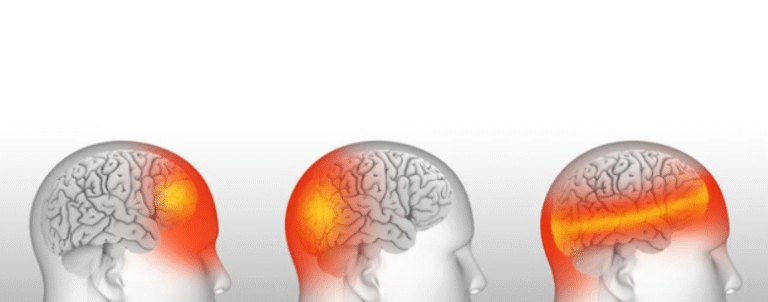
Headaches at the front of your head
Pain focused in the forehead or behind the eyes is commonly due to tension headaches. This type of headache is often caused by stress, eye strain, poor posture, or anxiety. It may feel like a constant pressure or tightness across your brow.
Tension headaches are the most common type of headache and are usually manageable with relaxation techniques, hydration, or mild pain relief.
Migraines and cluster headaches may be felt mainly in the forehead area, either on one or both sides of the head.
Headaches on the top of your head
If you feel pain centred at the crown of your head, it could still be a tension headache, though this location is less typical.
Dehydration is another frequent cause, with both migraines and tension headaches arising when the body lacks sufficient fluids. These headaches usually improve with hydration, though oral rehydration solutions may offer quicker relief—consult your doctor before using them.
In rare cases, it might indicate other headache types like ice pick headaches or even conditions like brain cancer, brain aneurysm, or brain haemorrhage if the pain spreads. If the pain is intense or unfamiliar, it’s always best to consult a healthcare provider.
Headaches on the back of your head
Pain at the base of the skull or upper neck is often linked to cervicogenic headaches, which originate from issues in the neck (such as poor posture, arthritis, or disc problems).
This location can also be affected by tension headaches, especially if you carry a lot of stress in your shoulders and neck muscles. If the pain radiates upward, it may feel like it’s travelling from your neck to your head.
When to see a doctor for a headache?
Headaches are usually common and not a cause for concern. If you’re familiar with the type and pattern of your headaches, they often don’t require urgent attention. However, you should seek immediate medical help if any of the following accompanies your headache:
- Pain that comes on quickly and becomes severe
- Stiff neck
- Confusion
- Slurred speech
- Weakness
- Persistent fever
If headaches occur frequently or disrupt your daily routine and quality of life, it’s important to consult a neurologist. They can help identify the underlying cause of headaches and recommend ways to manage and reduce the frequency and intensity of your headaches.
Takeaway: Your headache's location tells a story
Understanding where your headache is located whether it’s on one side, the front, back, top, or all over your head can offer valuable clues about its root cause. While many headaches are minor and manageable, some may signal an underlying neurological concern. That’s why listening to your body and seeking medical attention when something feels off is important.
With years of specialised training and a reputation for excellence, Dr Miguel Ley Nacher is recognised as one of the best neurologist doctor in Dubai. His passion for neurology, patient-first philosophy, and access to advanced diagnostic tools make him the ideal choice for individuals seeking effective, long-term solutions for headaches and other neurological conditions.
Related Services
Recent Blogs
Book An Appointment
About the author

Dr. Miguel Ley Nacher, MD, MSc, PhD
Consultant Neurologist & Epilepsy Specialist
MD, MSc, PhD
Consultant Neurologist
Specialist in Epilepsy & Neurophysiology
17+ Years of Experience
Al Zahra Hospital Dubai
Dr. Miguel Ley Nacher is an internationally trained Consultant Neurologist and clinical psychologist with extensive expertise in epilepsy, stroke management, movement disorders, and advanced neurophysiology. With over 17 years of experience, he is recognized for delivering evidence-based neurological care focused on accurate diagnosis, advanced treatment techniques, and long-term patient wellbeing.
He completed his medical education and specialized neurology training in Spain, followed by advanced epilepsy fellowship training in the United States at Rush University Medical Center, Chicago. Dr. Miguel also holds a Master of Science (MSc) degree and a PhD in Biomedicine, reflecting his strong academic and research background in neurological sciences.
Dr. Miguel specializes in epilepsy management, long-term video EEG monitoring (VEEG), stroke care, headaches and migraines, Parkinson’s disease, multiple sclerosis, dementia, peripheral neuropathies, and neuromodulation therapies. His approach combines advanced neurological expertise with compassionate, patient-centered care tailored to each individual’s condition and treatment goals.
He is an active member of leading international neurological organizations, including the American Academy of Neurology (AAN), American Epilepsy Society (AES), European Academy of Neurology (EAN), and the International League Against Epilepsy (ILAE).
Medical Disclaimer
This article is intended for informational and educational purposes only and should not be considered medical advice, diagnosis, or treatment. Always consult a qualified healthcare professional regarding any neurological symptoms or medical concerns before making healthcare decisions. Medically reviewed by Dr. Miguel Ley Nacher, Consultant Neurologist & Epilepsy Specialist.