
How Long Does EEG Test Take? Electroencephalography
- Medically Reviewed By Dr. Miguel Ley Nacher - MD, MSD, PhD | Consultant Neurologist
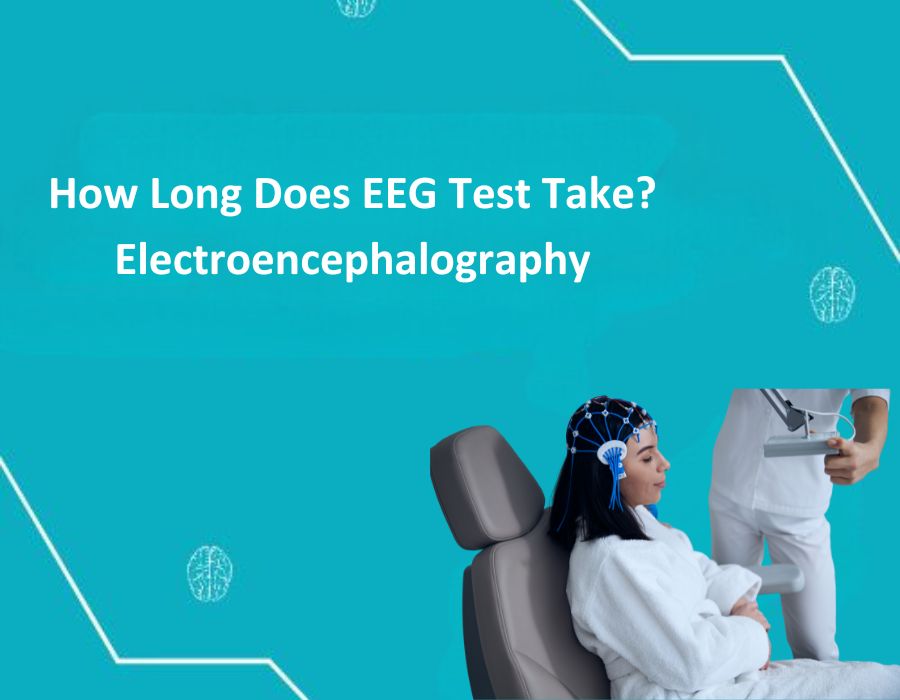
Electroencephalography (EEG) might seem complicated, but it is a safe and painless diagnostic tool that provides valuable insights into brain health. If you are being referred for unexplained seizures, fainting spells, sleep disturbances, or other neurological issues, an EEG can give your doctor important information to help with diagnosis and treatment.
In this blog, we’ll look closely at what an EEG involves and answer one of the most common questions patients have: “How long does EEG test take?” You’ll also learn about the different types of EEGs, what to expect during the procedure, and how to prepare for it.
What Is an EEG and Why Is It Done?
An EEG test estimates the electrical activity of the brain using small sensors (electrodes) placed on the scalp. A neurologist records and interprets these signals to detect any unusual patterns or irregular brain activity.
EEGs are most commonly used to evaluate:
- Epilepsy and seizure disorders
- Sleep disorders
- Brain injuries
- Encephalitis or inflammation of the brain
- Unexplained periods of unconsciousness
Unlike imaging tests like MRIs or CT scans, which provide structural information, an EEG gives a real-time view of how the brain is functioning.
How long does it take to do an EEG test?
How long does EEG test take depends on the type of EEG you’re having. While a routine session might wrap up in under an hour, more advanced options like ambulatory EEGs can last for a full day or more. Here’s a breakdown of the most common types and how long they typically take:
1. Routine EEG
- Duration: 20 to 40 minutes of actual recording
- Appointment time: Up to 60 minutes (including preparation)
- This is the most common EEG and is often done in an outpatient clinic. It may involve specific breathing exercises or light stimulation to provoke brain activity.
2. Sleep-Deprived EEG
- Duration: 60 to 90 minutes
- You’ll be asked to stay awake the night before for this test. Sleep deprivation can make brain abnormalities more noticeable. It includes both resting and sleeping segments to capture changes.
3. Ambulatory EEG
- Duration: 24 to 72 hours
- This type allows your brain activity to be recorded over an extended period while you go about your normal day. Electrodes are attached to a small portable recorder you wear at home.
4. Video EEG Monitoring (Inpatient)
- Duration: 24 hours to several days
- This test, done in a hospital setting, combines continuous EEG with video recording to correlate physical behaviour with brain activity. It’s typically used for seizure diagnosis or surgery planning.
5. Prolonged EEG
- Duration: Lasts 1.5 to 3 hours or more
- It’s recommended when more data is needed, especially to observe brain activity during wakefulness and sleep.
- Helps detect subtle abnormalities or possible seizure activity that a standard EEG might miss.
If you’re still wondering, “EEG test, how long does it take?” For most people, a standard outpatient EEG takes about an hour. However, longer EEGs may be needed to capture more data or monitor brain activity under specific conditions.
What to Expect During the Test
Whether you’re having a short or extended EEG, here’s what typically happens:
- Your scalp will be cleaned, and around 20 small electrodes will be placed using a special adhesive.
- You’ll lie in a quiet room while your brain’s electrical signals are recorded.
- The test is completely painless; no electricity is passed into your body.
- You may be asked to perform deep breathing or watch flashing lights.
- You may be encouraged to nap during the test if it’s a sleep EEG.
There’s no recovery time needed, and you can resume normal activities after a routine EEG unless you were sleep-deprived beforehand.
How to Prepare for an EEG
- Avoid caffeine for at least 8 hours before the test, as it may affect results.
- Wash your hair the night before and avoid applying any oils or sprays.
- Follow specific instructions if it’s a sleep-deprived EEG (such as staying awake overnight).
- Bring a list of medications you’re taking; some may affect your brain activity.
How Dr Miguel Ley Nacher Can Help You Understand Your EEG Results
Dr Miguel Ley Nacher, a renowned neurologist with extensive experience in diagnostic neurology, emphasises the importance of knowledge and precision in brain health.
He provides a personalised and compassionate approach to EEG testing. Each patient undergoes a thorough assessment, and EEGs are done and interpreted according to their individual needs, rather than solely based on test results. Patients often ask, “How long does EEG test take?”—and Dr. Miguel ensures you understand the entire process, from preparation to completion, so you feel informed and comfortable.
Whether you’re preparing for a standard EEG or need extended monitoring, Dr Miguel will guide you through the process and help you make informed decisions about your neurological care.
If you have questions and want the most accurate results, don’t hesitate to book a consultation with Dr Miguel Ley Nacher.
Because your brain health deserves expert attention.
Related Services
Recent Blogs
Book An Appointment
About the author

Dr. Miguel Ley Nacher, MD, MSc, PhD
Consultant Neurologist & Epilepsy Specialist
MD, MSc, PhD
Consultant Neurologist
Specialist in Epilepsy & Neurophysiology
17+ Years of Experience
Al Zahra Hospital Dubai
Dr. Miguel Ley Nacher is an internationally trained Consultant Neurologist and clinical psychologist with extensive expertise in epilepsy, stroke management, movement disorders, and advanced neurophysiology. With over 17 years of experience, he is recognized for delivering evidence-based neurological care focused on accurate diagnosis, advanced treatment techniques, and long-term patient wellbeing.
He completed his medical education and specialized neurology training in Spain, followed by advanced epilepsy fellowship training in the United States at Rush University Medical Center, Chicago. Dr. Miguel also holds a Master of Science (MSc) degree and a PhD in Biomedicine, reflecting his strong academic and research background in neurological sciences.
Dr. Miguel specializes in epilepsy management, long-term video EEG monitoring (VEEG), stroke care, headaches and migraines, Parkinson’s disease, multiple sclerosis, dementia, peripheral neuropathies, and neuromodulation therapies. His approach combines advanced neurological expertise with compassionate, patient-centered care tailored to each individual’s condition and treatment goals.
He is an active member of leading international neurological organizations, including the American Academy of Neurology (AAN), American Epilepsy Society (AES), European Academy of Neurology (EAN), and the International League Against Epilepsy (ILAE).
Medical Disclaimer
This article is intended for informational and educational purposes only and should not be considered medical advice, diagnosis, or treatment. Always consult a qualified healthcare professional regarding any neurological symptoms or medical concerns before making healthcare decisions. Medically reviewed by Dr. Miguel Ley Nacher, Consultant Neurologist & Epilepsy Specialist.