
Common Neurological Disorders a Neurologist Treats
- Medically Reviewed By Dr. Miguel Ley Nacher - MD, MSD, PhD | Consultant Neurologist
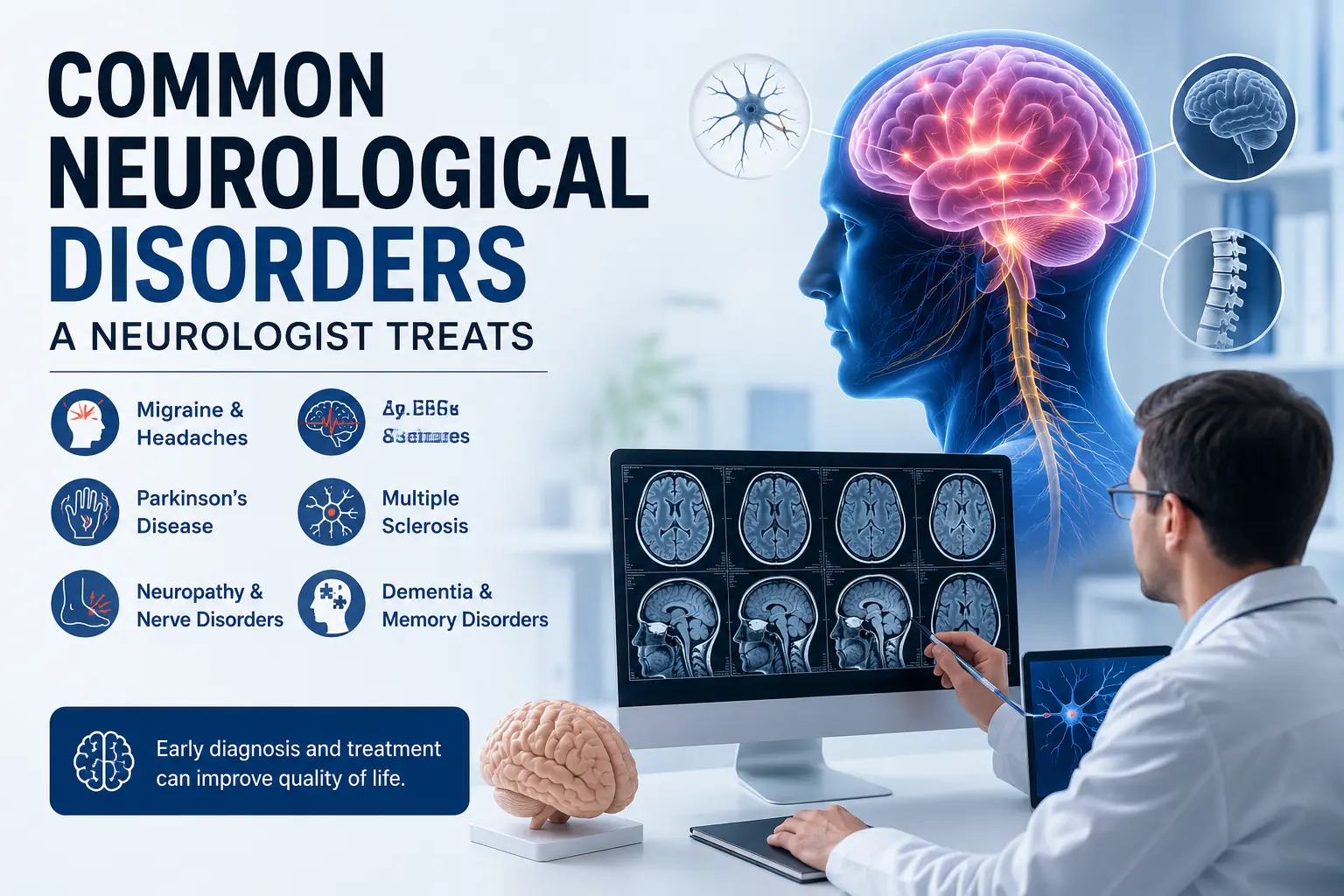
Neurological disorders affect the brain, spinal cord, and nerves, often causing symptoms such as headaches, tremors, numbness, seizures, memory loss, or difficulty with movement. Early diagnosis and treatment by a neurologist can help manage symptoms, slow disease progression, and improve quality of life.
What Does a Neurologist Treat?
Neurologists treat a broad spectrum of brain and central nervous system disorders.
Neurologists can diagnose and treat a number of conditions affecting the brain, spinal cord, and peripheral nervous system, including headaches, seizures, movement disorders, difficulty with memory, and pain originating in nerves. Neurologists are critical to the diagnosis of the root cause of every patient with all levels of severity through long-term management of many common neurological conditions.
Common Neurological Disorders Affecting the Brain and Nervous System
People of various ages can be diagnosed with a variety of neurological disorders. Here are some of the most frequent types of disorders treated with neurological intervention:
Migraine and Chronic Headaches
Chronic headaches and migraines are two types of neurological disorders that result in multiple episodes of pain, intolerance to bright light, and nausea. Possible triggers for the headaches and migraines include stress, hormonal fluctuations, or lifestyle. To reduce the frequency and severity of headaches and migraines, proper diagnosis is critical.
Patients experiencing frequent headaches may benefit from learning more about migraine treatment options.
Epilepsy and Seizure Disorders
Epilepsy is a type of neurological disorder characterised by recurring seizures caused at least in part by abnormal activity in the brain. Epilepsy is considered one of the major disorders of the brain and central nervous system, ranging from mild to severe convulsion episodes. Early ongoing treatment of epilepsy is critical to controlling symptoms associated with this disorder.
Early diagnosis plays an important role in understanding epilepsy symptoms and improving seizure management.
Parkinson’s Disease
Parkinson’s is a neurological condition that results in difficulty moving your body. The most common symptoms are muscle stiffness, slow movements, and tremors. As a progressive neurological disorder, Parkinson’s disease requires early diagnosis and quality care to improve the quality of life while managing the symptoms.
Recognizing the early symptoms of Parkinson’s disease can help patients seek treatment sooner.
Multiple Sclerosis
Multiple Sclerosis (MS) is a neurological disorder characterised by the disruption of communication between the brain and body caused by damage to the protective covering around nerves. Symptoms of MS can include fatigue, problems with sight, and coordination. Treatment goals for patients with MS include slowing the progression of the disease and improving symptom management.
Neuropathy and Nerve Disorders
Nerve and neuropathy disorders are caused by damage to the nerves and result in pain or weakness, often affecting both feet and hands. Nerve and neuropathy disorders are prevalent throughout the medical community, with diabetes being the most common underlying cause.
Dementia and Memory Disorders
Dementia is a progressive decline in memory and cognitive function, affecting an individual’s daily life. Dementia has one of the most severe impacts as a neurological disorder; however, an early and accurate diagnosis can enable treatment that improves the management of symptoms and slows disease progression.
Families should understand common memory loss and dementia symptoms to support early diagnosis and care.
What Are the Early Signs of a Neurological Disorder?
Early identification of neurological disorders can be essential for early intervention. Symptoms to watch for may include the following, but are not limited to:
- Recurring Headaches
- Sudden Weakness/Numbness
- Loss of Memory/Confusion
- Difficulty with Speech/Understanding Speech
- Loss of Balance/Coordination
If left untreated, these signs may prevent appropriate treatment by delaying diagnosis and potentially result in significant deterioration of the condition.
When Should You See a Neurologist?
If your symptoms are persisting, getting worse, or impacting your ability to carry out normal daily functions, it is necessary to seek an appropriate specialist.
Patients should see a neurologist if they have recurrent headaches, recurring unexplained seizures, or recalcitrant nerve pain, or if their cognitive function, movement, or memory has changed significantly. Early evaluation helps identify underlying neurological disorders and ensures timely treatment.
Why Early Diagnosis Matters in Neurological Conditions
The timely detection of neurological disease is extremely important for effective treatment.
When neurological symptoms are identified at an earlier stage, a more effective treatment can be developed, resulting in better symptom control and a higher quality of life.
If you are experiencing persistent headaches, tremors, numbness, seizures, or memory problems, early neurological evaluation can help identify the underlying cause and improve treatment outcomes. Consult Dr Miguel Ley Nacher for expert neurological care and personalized treatment. Consult Dr Miguel Ley Nacher for world-class neurological care.
FAQs - Frequently Asked Questions
Q1. What are the most common neurological disorders?
Ans – Migraines, epilepsy, Parkinson’s disease, multiple sclerosis, neuropathy, and dementia are some of the most frequently encountered neurological disorders.
Q2. What symptoms indicate a neurological problem?
Ans – Common signs of neurological disorders would consist of headache(s), numbness in an area, forgetfulness, seizures, problems with movement or coordination, etc.
Q3. Can a neurologist treat chronic conditions?
Ans – The neurologist specializes in managing long-term illnesses of the brain or nervous system through medication, therapy, and a commitment to long-term treatment overall.
Q4. When should I see a neurologist instead of a general doctor?
Ans – You need to consult a neurologist if you have long-lasting, bothersome symptoms associated with the brain or nervous system (seizures or memory lapses).
Q5. Do neurological disorders always require surgery?
Ans – No, most neurological disorders are managed with medication, lifestyle changes, and therapy. Surgery is only required in specific cases.
Related Services
Recent Blogs
Book An Appointment
About the author

Dr. Miguel Ley Nacher, MD, MSc, PhD
Consultant Neurologist & Epilepsy Specialist
MD, MSc, PhD
Consultant Neurologist
Specialist in Epilepsy & Neurophysiology
17+ Years of Experience
Al Zahra Hospital Dubai
Dr. Miguel Ley Nacher is an internationally trained Consultant Neurologist and clinical psychologist with extensive expertise in epilepsy, stroke management, movement disorders, and advanced neurophysiology. With over 17 years of experience, he is recognized for delivering evidence-based neurological care focused on accurate diagnosis, advanced treatment techniques, and long-term patient wellbeing.
He completed his medical education and specialized neurology training in Spain, followed by advanced epilepsy fellowship training in the United States at Rush University Medical Center, Chicago. Dr. Miguel also holds a Master of Science (MSc) degree and a PhD in Biomedicine, reflecting his strong academic and research background in neurological sciences.
Dr. Miguel specializes in epilepsy management, long-term video EEG monitoring (VEEG), stroke care, headaches and migraines, Parkinson’s disease, multiple sclerosis, dementia, peripheral neuropathies, and neuromodulation therapies. His approach combines advanced neurological expertise with compassionate, patient-centered care tailored to each individual’s condition and treatment goals.
He is an active member of leading international neurological organizations, including the American Academy of Neurology (AAN), American Epilepsy Society (AES), European Academy of Neurology (EAN), and the International League Against Epilepsy (ILAE).
Medical Disclaimer
This article is intended for informational and educational purposes only and should not be considered medical advice, diagnosis, or treatment. Always consult a qualified healthcare professional regarding any neurological symptoms or medical concerns before making healthcare decisions. Medically reviewed by Dr. Miguel Ley Nacher, Consultant Neurologist & Epilepsy Specialist.